1. Define the format
Identify the intended use, viewing distance, and surface material.
An overview of common print categories and how technical requirements differ across formats.
Always verify final trim dimensions, bleed margins, and resolution at 100% output size. Embedding or outlining fonts prevents text reflow issues, while reviewing physical paper samples provides a far more accurate colour reference than relying solely on a backlit screen.
Matching the physical material to the goal of a design prevents costly production mistakes. Choosing the right paper weight, coating, and folding method ensures that typography stays sharp and colours remain consistent from screen proof to final press sheet.
Every print project relies on clear technical parameters before going to press. Defining the final dimensions, paper weight, surface finish, and intended environment helps designers prepare accurate, print-ready artwork.
Good editorial and graphic design treats production details as core design elements. Paper stock, ink absorption, cutting, and folding all change how a printed piece is experienced. Careful file organisation helps designers distinguish between a visual layout revision and a technical pre-press adjustment.
Identify the intended use, viewing distance, and surface material.
Check format, trim, bleed and image quality.
Compare content positions, colours and finishes.
Verify colour profiles, paper grain direction, and finishing marks.
KaryaSentra is an independent educational blog exploring print design fundamentals, paper stocks, and pre-press preparation. Great print starts with understanding how artwork interacts with the surface that carries it—whether it is a business card held in the hand, a large-format banner, or a packaging label.
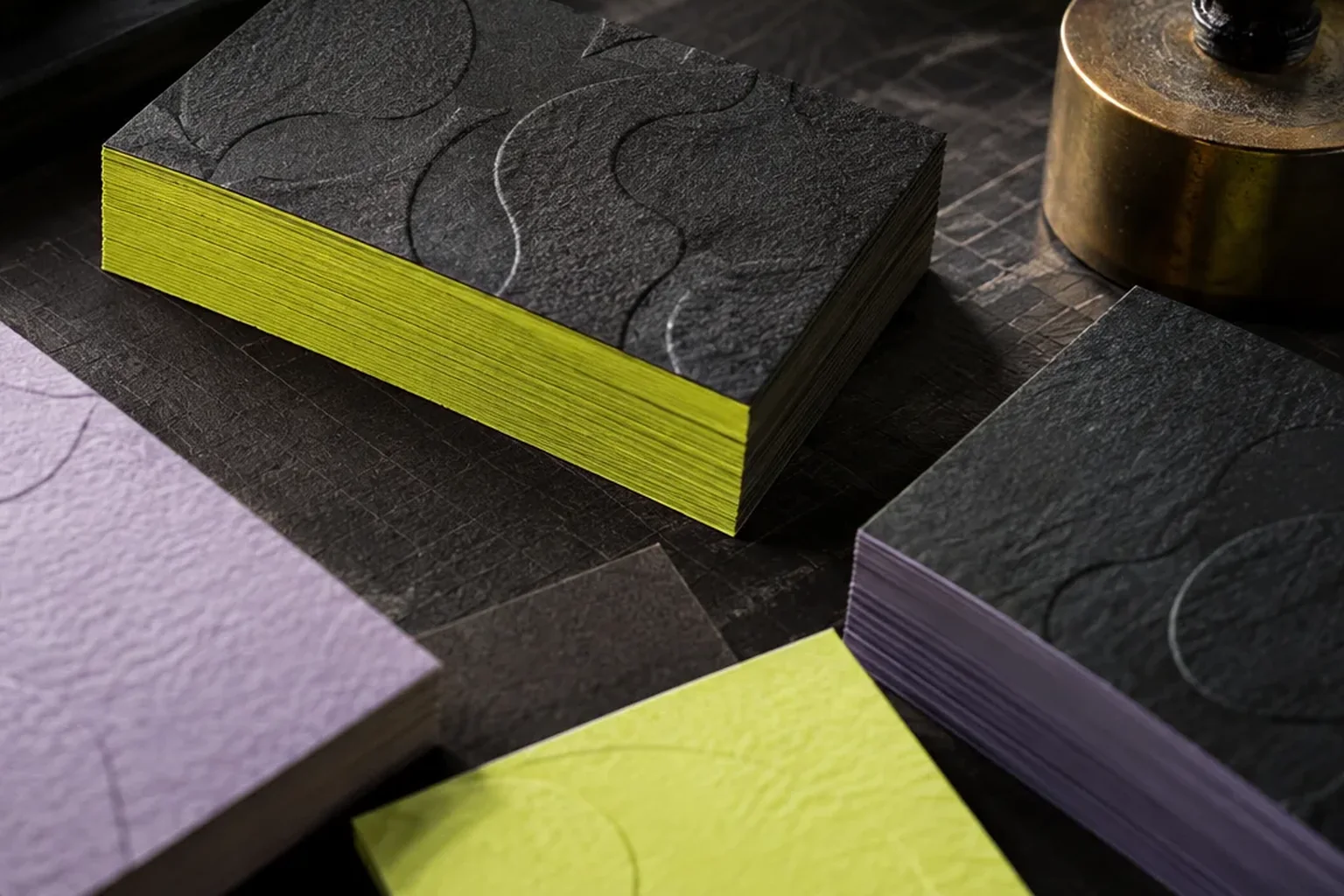
Size, stock and finish shape a printed card. Artwork needs trim space and clear information. Compare tactile finishes with readability, especially for fine type and small graphic details.
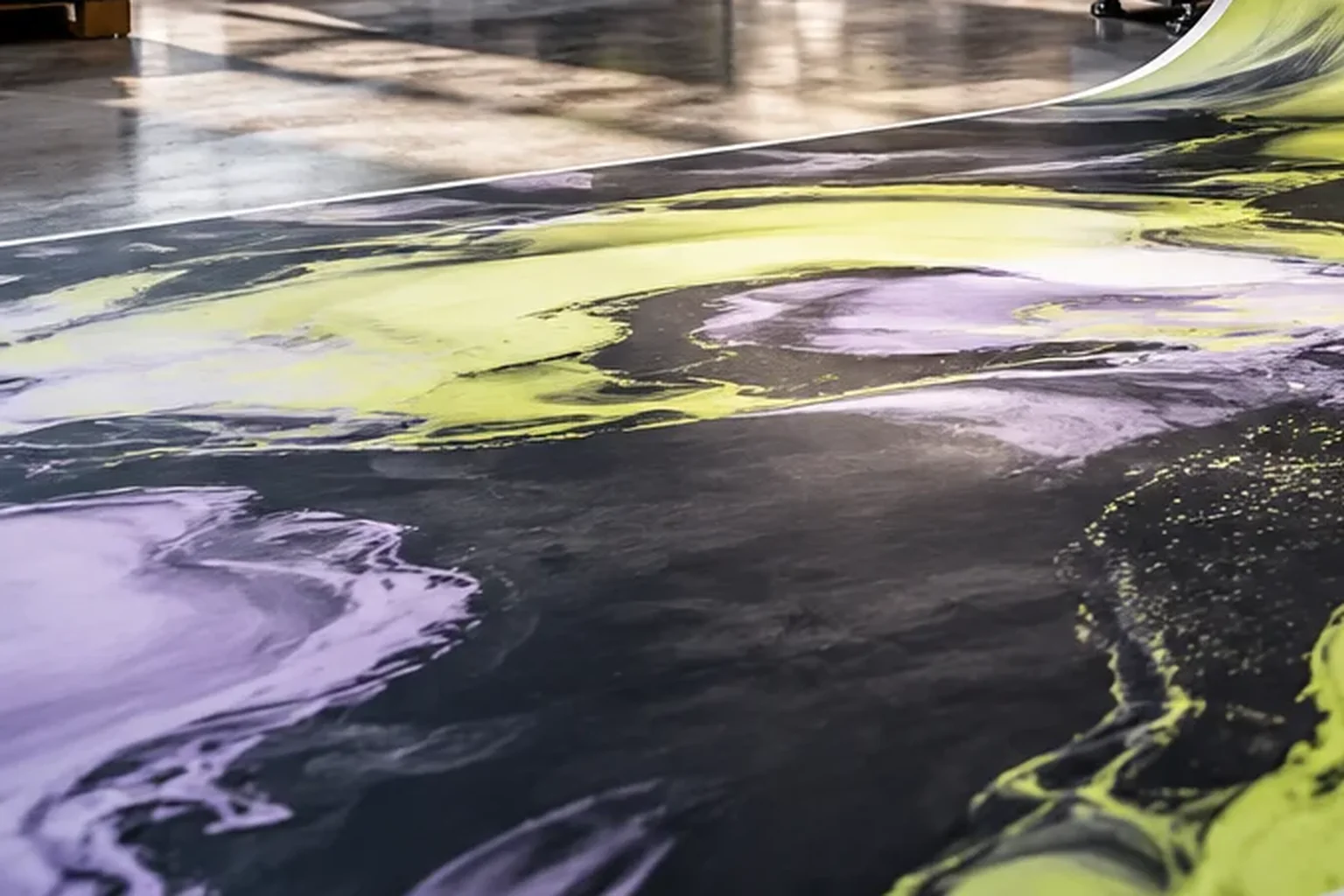
Viewing distance, installation and the intended surface guide large-format work. Keep essential content clear of edges and fittings. Files should match the final dimensions and required image quality.
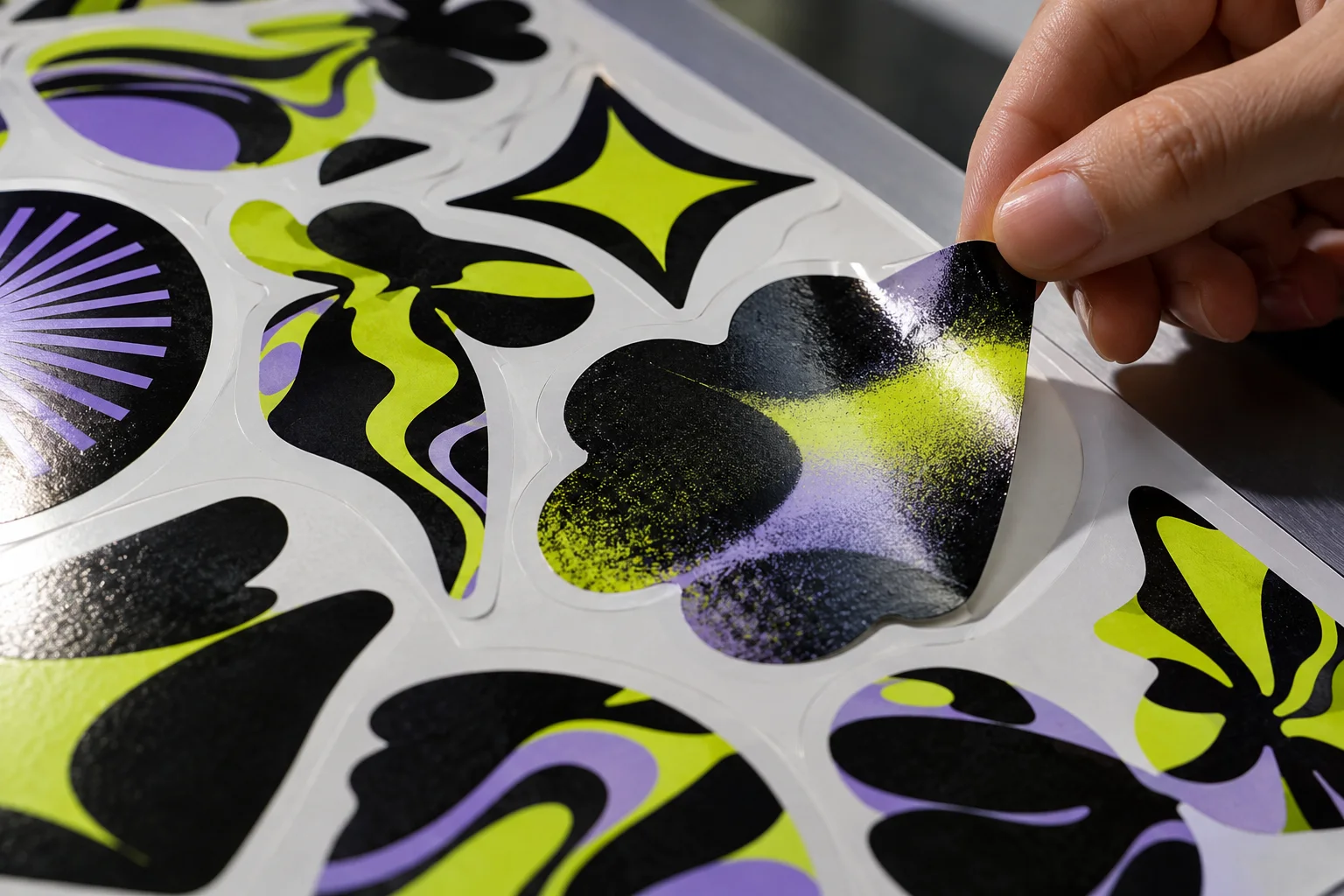
A label must suit its surface and handling conditions. Shape, adhesive needs and finish influence the material. Include the intended cut line and sufficient space around fine details.
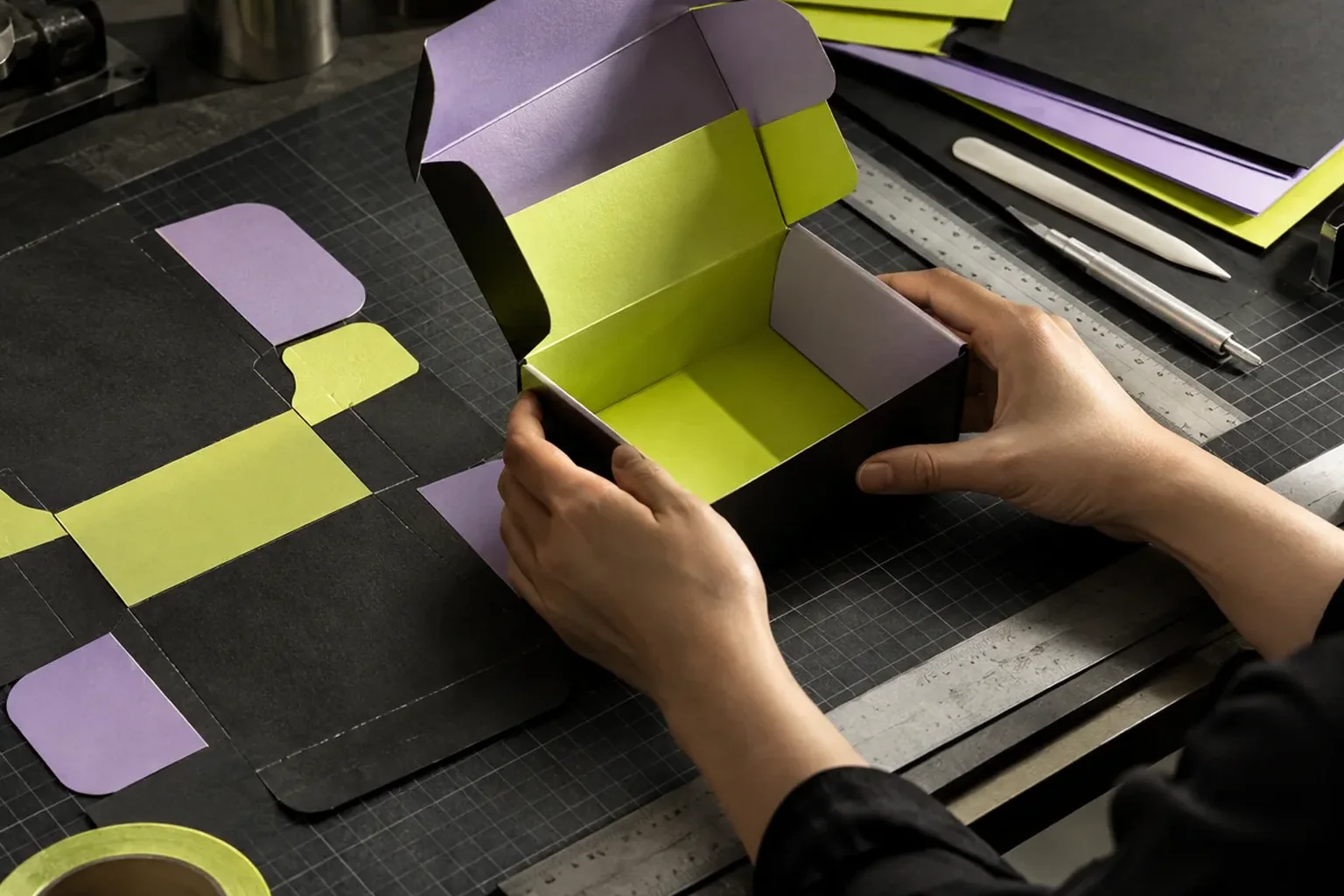
Packaging combines graphics with folds, joins and the object it holds. A structural sample helps inspect those relationships. Review dieline, artwork placement and finishing as one connected brief.